Winter Driving Dangers: Essential Safety Tips for Drivers and Pedestrians | Ryan & Rouse
Jan 14 2026 16:00
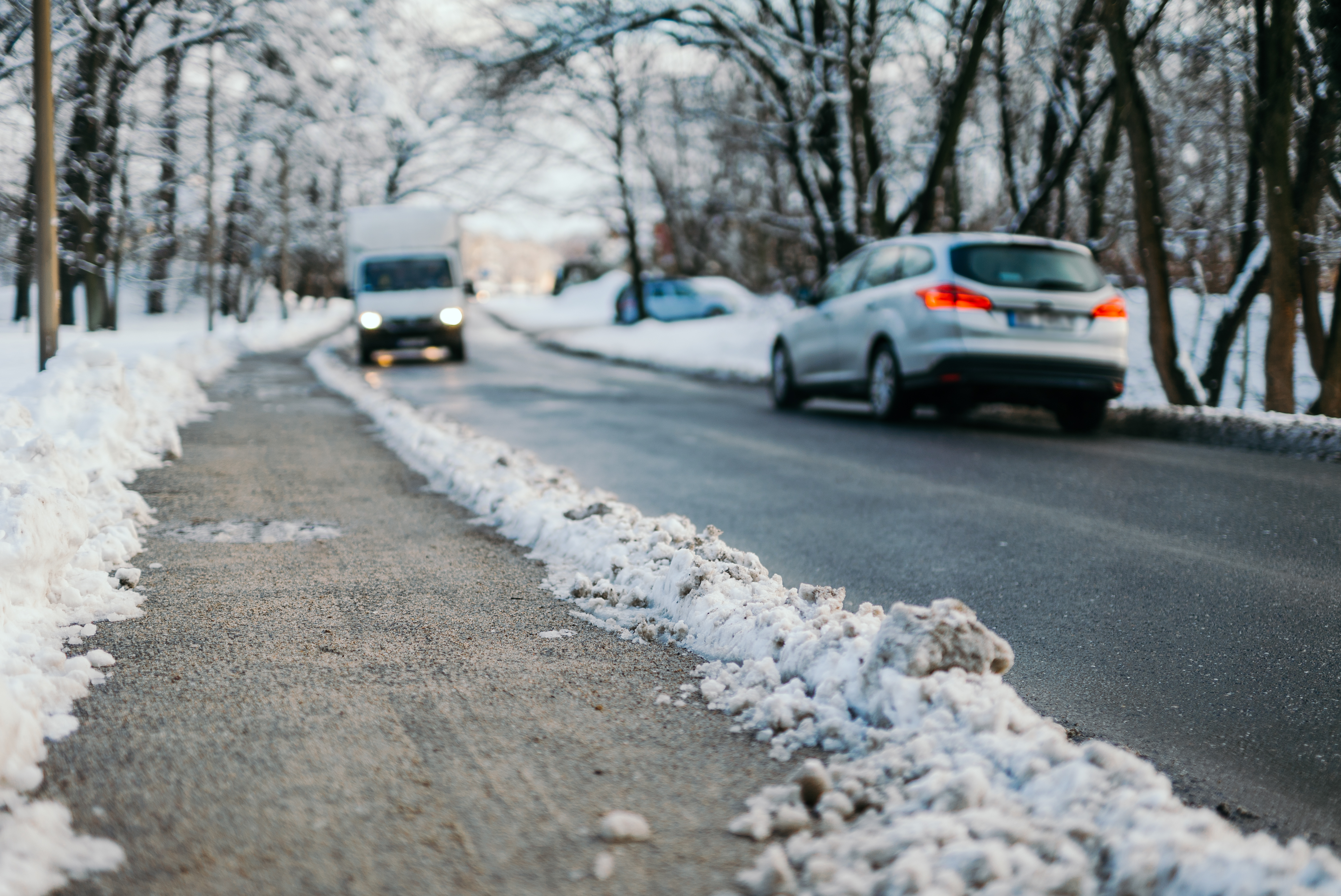
Winter can turn even familiar roads into unpredictable hazards. Snow, ice, and reduced daylight all make it more difficult for drivers to navigate and for pedestrians to stay safe. Understanding how these seasonal conditions affect both visibility and road traction can help you better protect yourself—and know your rights—if an accident occurs.
Why Winter Conditions Increase Roadway Risks
The Federal Highway Administration reports that nearly one-quarter of all weather-related crashes happen on snowy, icy, or slushy roads, with another portion occurring during active snowfall. These surfaces reduce tire grip and make it harder to steer, brake, or regain control when something goes wrong. Emergency responders may also struggle to reach crash sites quickly in winter weather, which can worsen injuries.
Among the most hazardous winter conditions is black ice—a thin, transparent layer of ice that blends seamlessly with the pavement. Drivers often don’t realize they’ve encountered it until they lose control. Each year, icy roads contribute to more than 150,000 crashes and claim over 550 lives nationwide.
Shorter days also play a major role in winter safety challenges. With darkness falling earlier, pedestrians become harder to see, especially if wearing dark clothing or walking along snow-covered sidewalks. Tragically, close to 80% of pedestrian fatalities occur at night, and winter weather only intensifies that danger.
Common Driving Errors That Cause Winter Accidents
Many winter crashes stem from preventable mistakes. A frequent oversight is leaving snow or ice on a vehicle before hitting the road. Snow left on the roof can slide forward onto the windshield or blow off entirely, obstructing other drivers’ visibility. Some states, including New Jersey and Pennsylvania, have penalties for failing to remove snow from vehicles.
Other risky behaviors include driving too fast for current conditions, tailgating, and forgetting to turn on headlights during snowy or low-light situations. Sudden braking or sharp turns can cause a vehicle to slide or spin, especially on roads that haven’t been plowed or salted. These misjudgments can escalate quickly into multi-car collisions.
Additional Dangers on Rural Roads and High-Volume Truck Routes
Rural drivers often face even tougher conditions. Many remote roads aren’t plowed or treated as quickly, and bridges freeze sooner than regular pavement. With fewer streetlights and traffic controls, identifying black ice, stalled vehicles, or pedestrians becomes more difficult. Longer emergency response times in these areas also increase the risk of severe outcomes when crashes occur.
Commercial truck drivers confront their own set of challenges. Semi‑trucks need significantly more distance to stop safely, and icy roads make that task even harder. Jackknife crashes—when a trailer swings outward and blocks multiple lanes—can happen suddenly and often trigger large-scale wrecks. The Federal Highway Administration records more than 1,800 annual deaths from crashes on snowy or icy roads, many involving heavy trucks.
One of the most devastating examples occurred during the 2021 Fort Worth pileup, involving 130 vehicles on icy roads. Six people lost their lives, and dozens were injured. Events like this show how quickly winter road conditions can become catastrophic.
How Distraction and Poor Visibility Create a Dangerous Mix
Both drivers and pedestrians are more vulnerable in winter, especially when distractions enter the picture. Drivers may be adjusting climate controls, defrosting windows, or checking navigation systems. Meanwhile, pedestrians may be bundled up in bulky clothing, juggling bags, or concentrating on avoiding slippery patches.
These split-second distractions can be deadly. Children traveling to school on dark mornings are especially hard to see, particularly without reflective gear. Older adults may struggle with icy sidewalks, slower movement, and reduced balance, increasing their risk of being struck.
When icy roads, limited visibility, and distracted behavior overlap, pedestrians and drivers face significantly heightened dangers throughout the winter season.
Smart Safety Habits for Winter Drivers
Drivers can dramatically lower their risks by taking deliberate precautions. Clearing all snow and ice from the vehicle—including the roof, windows, side mirrors, and headlights—helps ensure maximum visibility. Slowing down and allowing more distance between vehicles provides additional reaction time on slick roads. Using gentle, controlled braking rather than slamming on the brakes can help prevent skidding.
It’s also wise to carry a winter emergency kit. Useful items include a scraper, flashlight, blanket, and traction materials such as kitty litter or sand in case the vehicle gets stuck.
How Pedestrians Can Stay Safer in Winter
Pedestrians share responsibility for staying safe in winter conditions. Wearing bright or reflective clothing makes it easier for drivers to see them in low light. Crossing streets at marked crosswalks instead of stepping into the roadway—especially when snow blocks sidewalks—is essential. Remaining alert and avoiding distractions, such as looking at a phone, helps reduce risk when visibility is poor.
Your Legal Options After a Winter Accident
Even with caution, winter accidents still happen. These incidents can lead to complicated injury claims, especially when icy roads, poor lighting, or driver negligence are factors.
If you or someone you care about has been hurt in a winter-related crash, whether as a pedestrian or driver, speaking with a personal injury attorney can make a significant difference. A lawyer can help with insurance challenges, assess the extent of damages, and seek fair compensation for medical expenses, lost wages, and pain and suffering.
If you’ve been involved in a winter accident, don’t hesitate to reach out for help. Contact our firm today to learn about your rights and the steps you can take to pursue justice and recovery.